Officer Candidates 2026
The following individuals have submitted declaration forms and have been confirmed by the Election Committee as official candidates for the upcoming election. Eligibility is determined by membership in good standing, length of involvement with the association, and active work with student media. Supervisors may be contacted to verify qualifications and institutional support, particularly for those seeking higher office.
Individuals interested in declaring interest for a position can do so through Feb. 16, 2026 by filling out the election declaration form
Members will elect president-elect, who will serve a one-year term before assuming a one-year term as president. Members also will elect a secretary and a treasurer, each of whom will serve two-year terms.
President-Elect
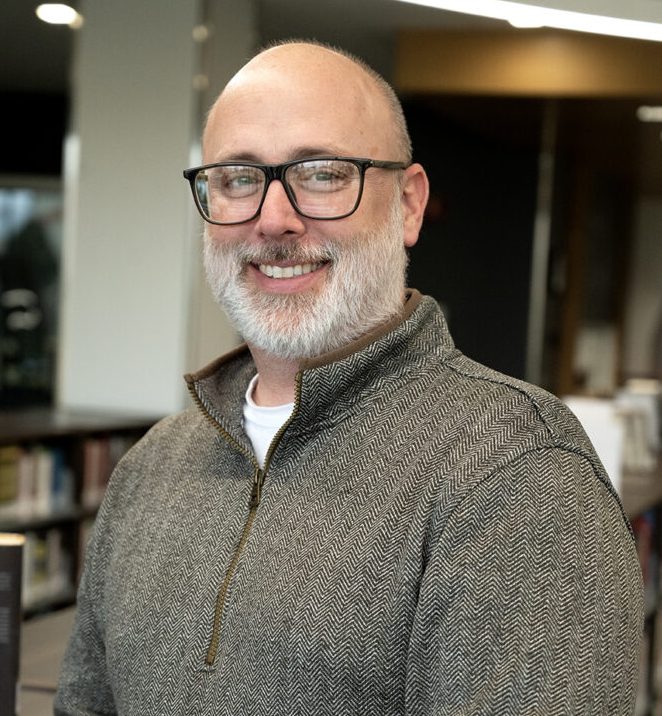
Matt Bird-Meyer
Monroe County Community College
|
|
Please identify three CMA priorities you plan to address.:
1. Maintain focus on the fiscal sustainability of the organization
2. Cultivate future leaders from among our membership and inspire members to become more involved
3. Double down on Diversity, Equity and Inclusion in terms of training, workshops and confabs for members
Describe your previous contributions to CMA and/or other similar organizations.:
My contributions to CMA began in 2021 when I was named chair of the CMA Membership Committee. During my time on the committee, I assisted the CMA leadership in preparing an RFP for redesigning the organization’s website. I also led a confab on fundraising to support student media. I was elected vice president of member support and served from October 2023 to October 2025. Recently, I helped edit the revised student media adviser handbook, and I continue to help coordinate student media awards (Apples and Pinnacles). Since leaving the board, I also continue to serve as a member of the Membership Committee. During CMA conventions, I have presented workshops on creative story ideation, participated in panels for new advisers, and hosted the Hall of Fame awards, new adviser awards and the Pinnacles and Apple awards. Back in Missouri, I was active with the Missouri College Media Association, participating in board meetings to help improve student contest categories, tweak the process for adviser of the year award, and voted to reduce membership costs. I also served as the SPJ Region 7 treasurer, and I continue to serve as a regular paper reviewer for AEJMC (participatory journalism, electronic news and newspaper and online divisions).
Describe your experience in journalism and media which may include your work as an adviser or as a media professional.:
Prior to teaching, I worked at five different weekly and daily newspapers in the Kansas City area for 11 years. During that time, I was fortunate to experience a wide range of responsibilities and beats, including editor-in-chief and sports reporter/editor, and covered local schools, business, city and county government, and courts. While working for the Lee’s Summit Journal as its city beat reporter, I ran a biweekly alternative newspaper in Warrensburg for three years. I returned to school in 2008 to pursue my master’s degree at the University of Central Missouri. As I finished, the adviser to the student newspaper retired. They asked if I would stay to teach and advise starting in 2012. After earning my doctorate, my family and I moved to Michigan in 2019 where I continue to teach journalism and advise the student newspaper at Monroe County Community College.
Describe your administrative experience; for example, your work with budgets, contracts, personnel, legal issues, event programming, etc.:
As a member of the CMA board, I was part of the team that helped balance the budget, leading the organization toward a more sustainable future. I was not directly involved in planning conventions but, as a board member, I was involved in meetings regarding convention coordination and meetings where important decisions were made regarding the future of conventions. As the owner and editor of the Warrensburg Free Press, I managed the budget and hired the staff. As editor of the Lee’s Summit Tribune, I worked with the publisher to manage the newsroom budget and was also responsible for hiring staff. While serving as adviser to the student newspaper at UCM, I was responsible for the student publication budget and reporting our financial health to the Student Publications Board. I have the same responsibility at MCCC, but the operation is much smaller. We rely less on advertising and more on college funding. Back at UCM, I reconstituted the campus SPJ chapter, and as treasurer of SPJ’s Region 7, I worked with the regional coordinator to bring the annual conference to our campus.
Describe the biggest challenge facing college media and how it might be addressed by CMA.:
When I ran for the board in 2023, I expressed concern about enrollment decline and how this affects program and newsroom recruitment. And I watched as CMA's membership engaged with one another to share anecdotes about newsroom team building and training. We also offered a wide range of training opportunities and enlightening confabs to assist our membership. Censorship has always been a major challenge for college media. This is certainly not a new issue, but I'm seeing a growing number of advisers on the listserv describe tactics that administrators and publication boards have used to remove editors and limit the interactions of reporters with school administrators and faculty. We also continue to see advisers punished for the good journalism taking place in student media. We have a strong First Amendment Advocacy Committee and we need to continue to ensure this committee remains active and vigilant.
|
Secretary
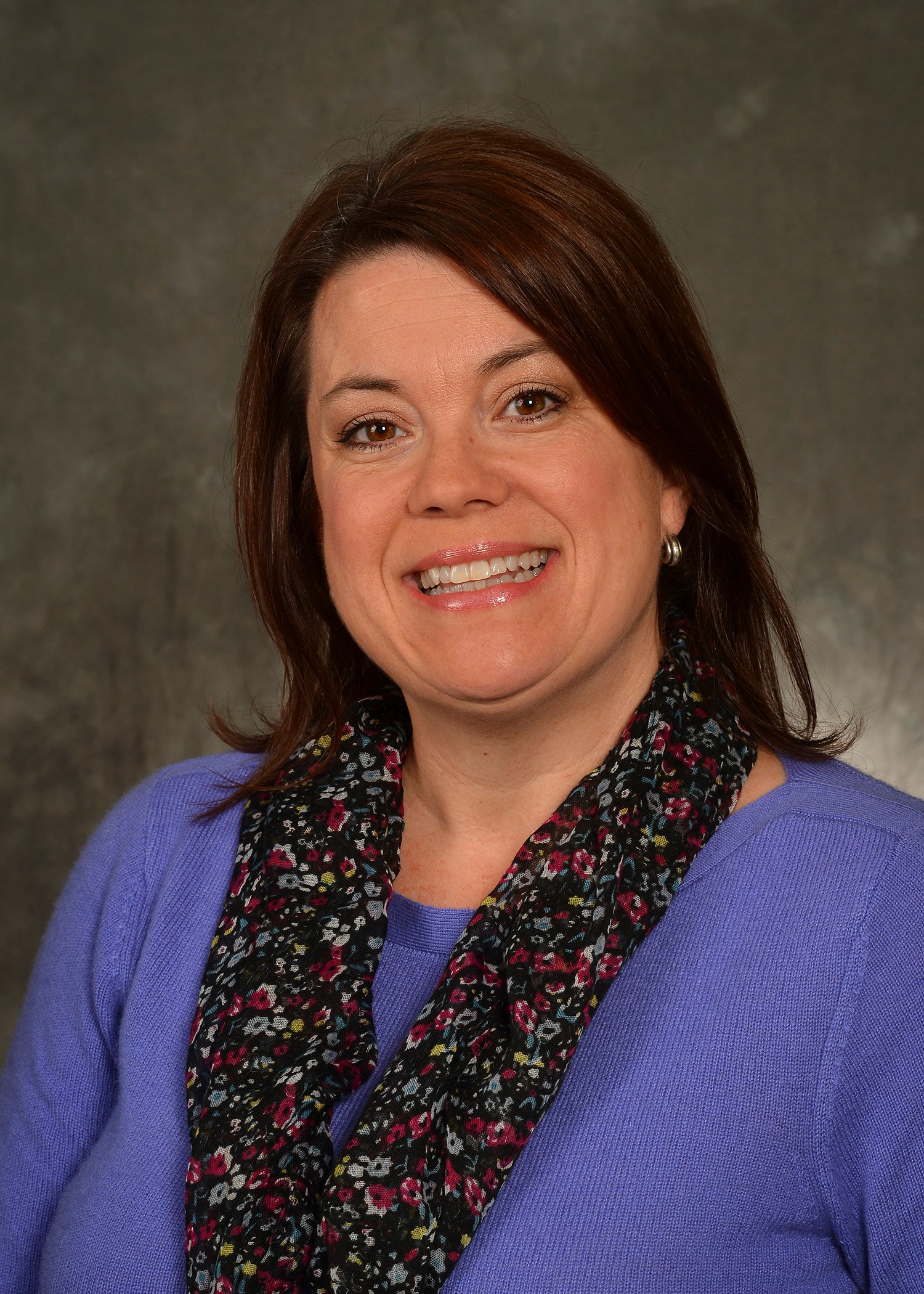
Amy Roquemore
Stephen F. Austin State University
|
|
Please identify three CMA priorities you plan to address.:
1.Work with the Bylaws Committee and the rest of the board to study and make recommendations about proposed changes to CMA’s bylaws and procedures, concerning in particular board member tenure and service requirements. These discussions have begun in the past year, but more consideration is needed to ensure CMA’s board structure remains efficient and agile while also inclusive of diverse perspectives and specialized expertise.
2.Continue to strengthen and streamline official CMA communications, possibly reprising a weekly newsletter that would reduce the need for as many one-off emails.3.Work with the board, staff and membership to find more, better and faster ways to respond to members in crisis, whether it be due to administrative challenges, legal concerns or other threats to student media operations. The challenge is doing so in ways that align with CMA’s mission while also keeping the needs, desires and safety of affected advisers top of mind.
Describe your previous contributions to CMA and/or other similar organizations.:
Since joining CMA in 2018, my contributions have included service on the Communications and Adviser Awards (chair) committees; as secretary of the Board of Directors; and as a Pinnacle Awards judge. As a member of the Communications Committee, I was primarily responsible for helping plan, coordinate and create posts on CMA’s social media platforms, including during conventions. I served as both a member and chair of the Adviser Awards Committee, which involved coordination with the Communications Committee about awards and nomination deadlines; reviewing and assessing nominations with other members; coordinating with the board and staff to finalize winners and order awards; communicating award decisions to all nominees; coordinating with award winners to obtain photos and other information needed for awards presentations; and helping present awards at fall conventions. In spring 2025, I was appointed secretary of the board to fill an unexpired term. Responsibilities of the role include liaising with CMA’s Bylaws, Communications and College Media Review committees to support their activities and keep the board apprised of their projects and initiatives. In addition, I am responsible for ensuring accurate record-keeping at all board meetings, including the preparation and distribution of meeting minutes. Another aspect of the position involves maintaining an updated CMA communication plan and working with other board members, committee chairs and staff to ensure timely e-mail distribution of information to promote contests, conventions and other events, Confabs and other trainings, board meetings and elections, fundraisers, etc. Since joining the board in 2025, I have written and/or coordinated almost 100 unique CMA e-blasts aimed at improving clarity and consistency of messaging and increasing member engagement. In summer 2025, I served as an organizational Pinnacle Awards judge. In addition to my involvement with CMA, I have been an active member of the Texas Intercollegiate Press Association for more than 11 years. At various times, I have served as a journalism contest designer, monitor and judge at the annual convention, and I am a longstanding member of the TIPA Scholarship Committee.
Describe your experience in journalism and media which may include your work as an adviser or as a media professional.:
My first introduction to student media was as a staff member of The Pine Log student newspaper at Stephen F. Austin State University as an undergrad, eventually serving as editor-in-chief. After earning my bachelor’s degree in journalism from SFA, I worked as a newspaper reporter covering crime, education, city government and other issues for Texas newspapers, including The Daily Sentinel in Nacogdoches, The Lufkin Daily News, The Waco Tribune-Herald, The Grand Prairie News, and The Dallas Morning News, where I was a feature writer and columnist in the Northeast Tarrant Country Bureau. Later, I worked as Media Relations Coordinator for the Nacogdoches Convention and Visitors Bureau before joining University Marketing Communications at SFA to serve as editorial coordinator, assistant director, and editor of Sawdust, the university and alumni magazine. In 2015, I returned to The Pine Log newsroom as Director of Student Publications and Division Media and began advising student journalists, in addition to managing division-level communications, including webpages and an internal newsletter. In 2025, The Pine Log was reorganized as part of Academic Affairs at SFA. Although I had been teaching on an adjunct basis since 2012, I am now a full-time faculty member. As a professor in practice, I teach classes in media and communication, including public speaking, interpersonal communication, survey of mass communication, media writing and sports writing, in addition to advising the student newspaper.
Describe your administrative experience; for example, your work with budgets, contracts, personnel, legal issues, event programming, etc.:
While my primary strengths lie in communications and personnel management, my recent service as board secretary has significantly expanded my experience with contracts, legal issues and event programming. Overseeing department budgets have been integral to my duties at SFA for the past 15 years. As board secretary, I have a fiduciary responsibility to CMA, so I have dedicated time to learning and understanding the organization’s budget and worked closely with the rest of the board to make financial decisions that align with our mission and goals.
Describe the biggest challenge facing college media and how it might be addressed by CMA.:
The challenges are so numerous, it is difficult for me to whittle the list down to just one priority. Financial instability, threats to editorial independence, mental health and burnout among student journalists (and advisers), the impact of AI on college newsrooms and the broader field of journalism, and growing distrust of traditional media are among the issues that keep me up at night. I think a robust education and training program – and effective communications that get the word out to advisers about those opportunities – is the best tool CMA has for addressing these myriad challenges. Supporting member advisers with free (or affordable) training, materials, legal resources, and – maybe most importantly – a network of support from other advisers who are facing or have faced similar challenges is paramount to CMA’s mission. Continuing to expand our educational offerings and promote them far and wide – even to non-members when appropriate – should be a top priority. CMA’s ability to educate, connect and advocate for advisers is its greatest asset—strengthening that support system will remain a central goal of my CMA service.
|
| |
|
|
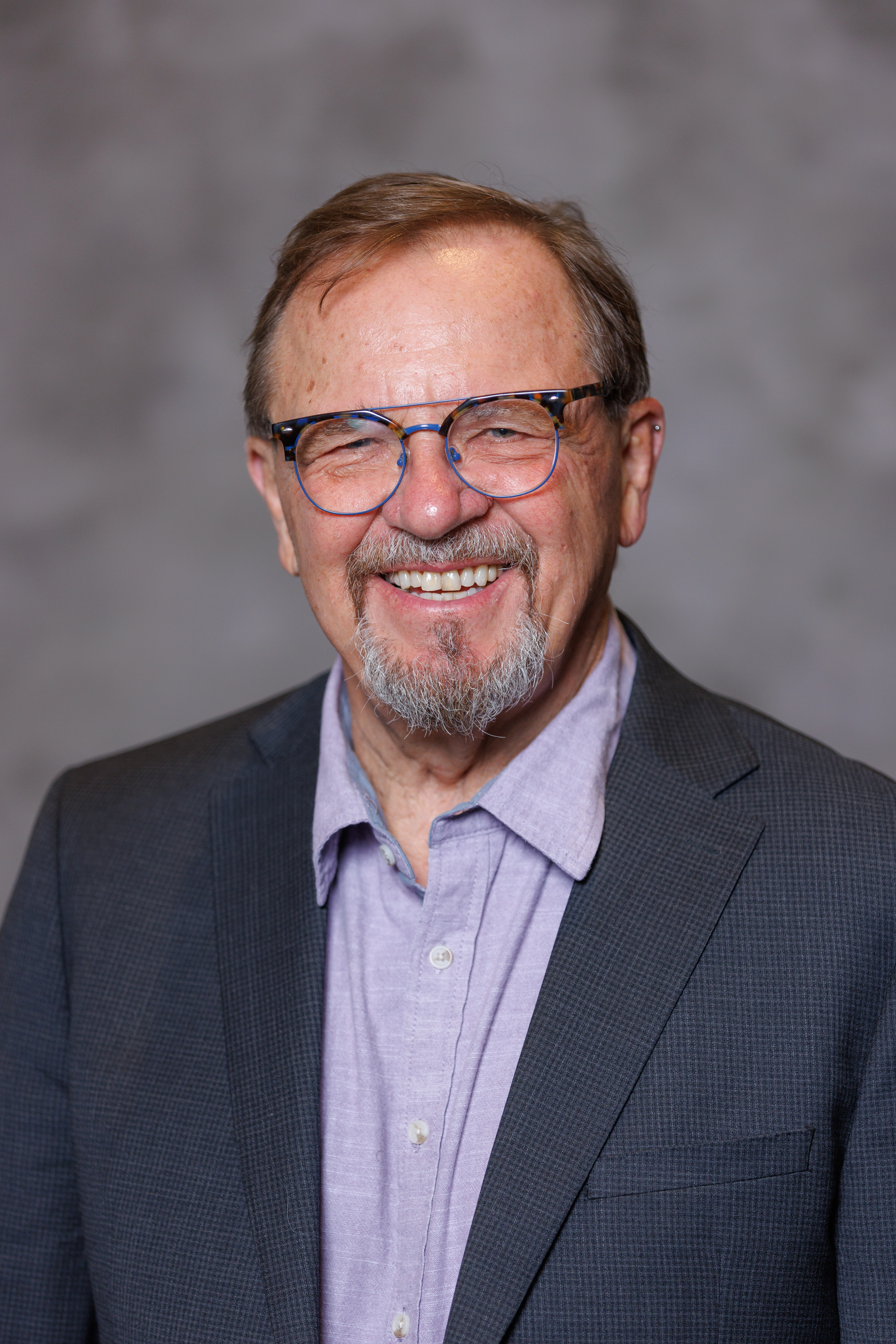
Thomas Grant
University of Alabama
|
|
Please identify three CMA priorities you plan to address.:
I plan to work to increase involvement and recognition of CMA by electronic media students and faculty, continue improving the financial stability of CMA, and develop news ways to promote CMA and connect CMA members though digital channels and social media.
Describe your previous contributions to CMA and/or other similar organizations.:
I have chaired the CMA Film and Audio Festival for seven years. I have served for several years as treasurer of a small non-profit called CLIC Abroad that uses photography to connect students in India and the US. I have been a screener for the duPont Columbia Awards for 25 years. I regularly assist with judging of local and regional journalism awards.
Describe your experience in journalism and media which may include your work as an adviser or as a media professional.:
I am an assistant professor of journalism at the University of Alabama, where I teach and work with students reporting news at the university-owned commercial TV station WVUA. I previously spent 12 years as a journalism professor at Abraham Baldwin Agricultural College in Georgia, where I also advised the student newspaper and broadcasts. Before earning my Ph.D., I worked 30 years as journalist in both broadcast and print and earned a dozen national awards for my work.
Describe your administrative experience; for example, your work with budgets, contracts, personnel, legal issues, event programming, etc.:
I have managed personnel and budgets for newspapers, television newsrooms and student news operations, as well as for study abroad trips, non-profits and special projects. I managed the budget and student for student media at Abraham Baldwin Agricultural College for 12 years. During that time, I also planned and budgeted multiple special projects, including four documentaries, four museum exhibits and two podcasts. In addition, I handled all the planning and budgeting for study abroad trips to India, Italy, France, and Norway. As a newspaper editor and TV news director, I managed the personnel and budgets of newsrooms.
Describe the biggest challenge facing college media and how it might be addressed by CMA.:
One of CMA's challenges derives from the decline of traditional print and broadcast journalism generally. Modern students have grown up without a daily newspaper delivered to their home and without watching broadcast news. Yet, according to Pew Research, young people still consume a huge amount of news and information through their digital devices. They expect news on demand when significant news events occur, but they do not seek news intentionally on a regular basis. Instead, they encounter news incidentally as part of their social media feeds or rely on news influencers to provide their news. Our challenge is to meet our students in their media world and inspire then to create great journalism within it, journalism that gives people the information they need to make decisions for themselves and their communities, to serve as a watchdog and hold power accountable, and to serve the interests of democracy. CMA can begin to address that challenge by recognizing that our students have much broader definition of journalist, one that includes podcast hosts, newsletter writers and social media content creators. We can also increase our recognition of digital audio and video as mediums of news distribution. That recognition could take the form of awards, conference seminar tracks, adviser training and recruiting to CMA. As the College Media Association, we need to constantly reshape ourselves as the shape of media changes. We should not abandon the foundations of writing and ethics that shaped the great journalism of the last century. However, we should reflect the shape of the new media world.
|
Treasurer
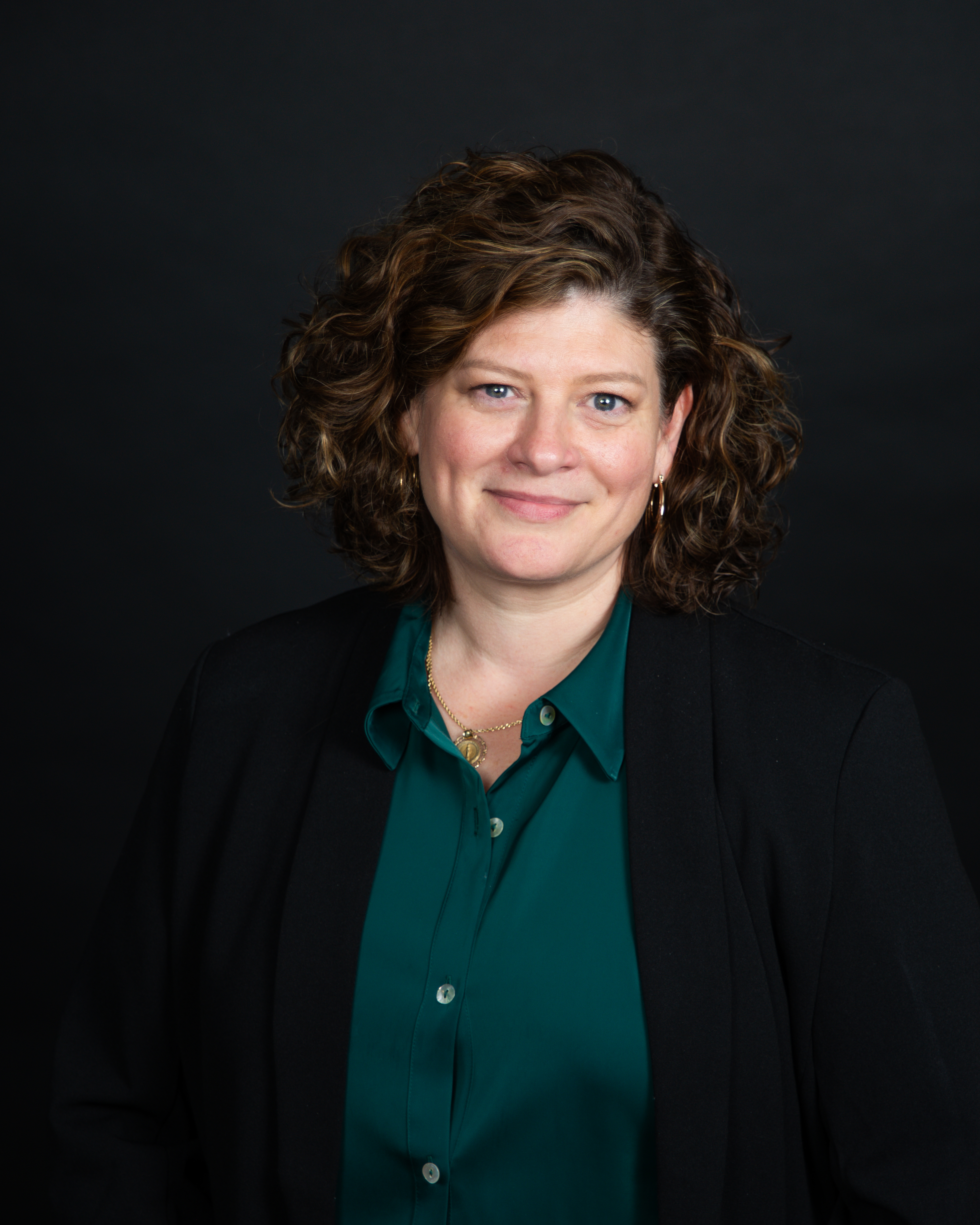
Andrea Lewis
Ohio University
|
|
Please identify three CMA priorities you plan to address.:
Financial clarity and transparency: Over the past year, we’ve made real progress aligning our financial reporting with how CMA actually operates. That’s made it easier to see where resources are going and how decisions connect to our priorities. I’d like to keep building on that so our reporting stays clear, useful and easy for the board to work from. Sustainable revenue growth: If we want to expand what CMA can offer, we need to keep thinking about where that support comes from. I’m interested in exploring a few new revenue opportunities that make sense for the organization and help us add value for members without putting more pressure on dues. Supporting the work of the board: The treasurer role is really about supporting the bigger picture. I see it as helping provide context, ask the right questions and make sure we’re thinking through decisions with a clear understanding of the financial impact so CMA stays strong long term.
Describe your previous contributions to CMA and/or other similar organizations.:
I have served CMA in several roles, including the convention committee, the finance committee and most recently as president. Those experiences have given me a strong understanding of how the organization operates and the importance of thoughtful, engaged board service to its overall health. I am deeply committed to CMA and have intentionally structured my professional service to support that commitment. Outside of CMA, I have held long-term leadership roles on several community boards, including 10 years with our convention and visitors bureau and six years with the Chamber of Commerce. I currently serve on the advisory board for a joint vocational high school’s Media+ program. At this time, I have chosen to limit additional commitments so I can dedicate the time and energy needed to support CMA in a meaningful way.
Describe your experience in journalism and media which may include your work as an adviser or as a media professional.:
I am not a journalist; I support journalists. I have spent the past seven years in higher education, where I oversee the financial operations of The Post and provide operational support for more than 20 student media organizations alongside their faculty advisors. My role is focused on funding, removing institutional barriers and developing strategies that allow these organizations to meet their goals and operate sustainably. Prior to higher education, I worked in the media industry, including serving as events and marketing director for a 10-newspaper media group. In that role, I developed events that connected advertisers and local businesses directly with their audiences and our subscribers — generating revenue to support editorial operations while strengthening those community relationships. Across both industry and higher education, my work has focused on building sustainable financial models that support strong media organizations.
Describe your administrative experience; for example, your work with budgets, contracts, personnel, legal issues, event programming, etc.:
My administrative experience has consistently focused on financial management, revenue development and operational oversight. Prior to joining Ohio University, I served as events and marketing director for a 10-newspaper media group, where I built an events division from the ground up. Within two years, it generated more than $175,000 annually with strong profit margins. In that role, I managed budgets, negotiated contracts for venues and vendors and oversaw logistics across multiple markets. Earlier in my career, I served as executive director of a regional arts center, where I managed a $450,000 budget, supervised staff and coordinated programming, including international exhibitions. Currently, as director of student media at Ohio University, I support more than 20 student media organizations. My responsibilities include overseeing financial operations, setting revenue goals, managing contracts and procurement and ensuring compliance with university and state requirements. My work is centered on maintaining fiscal stability while helping organizations operate effectively within a larger institutional system.
Describe the biggest challenge facing college media and how it might be addressed by CMA.:
The biggest challenges facing college media are financial sustainability and advisor capacity. Many organizations are operating with limited resources, and advisors are often stretched thin balancing teaching, mentoring and administrative responsibilities. That combination can make it difficult to focus on long-term planning or new opportunities. CMA plays an important role here as a community. The conversations that happen within CMA (at conventions, through trainings and among peers) help advisors share ideas, problem-solve and support one another in real time. From a treasurer perspective, CMA’s fiscal health is what allows us to sustain and grow those opportunities. Strong financial stewardship ensures we can continue to provide training, develop practical resources and create spaces for connection without adding additional strain on our members.
|
As required by policy, candidates will participate in a forum open to members. A recording will be posted in the member portal for those unable to attend. The forum will be held before March 30, and the election will conclude before April 15, 2026.
Candidates are added as they declare interest and are confirmed eligible. The slate will be finalized after the acceptance window closes Feb. 16. Below are the candidates to date.
|